

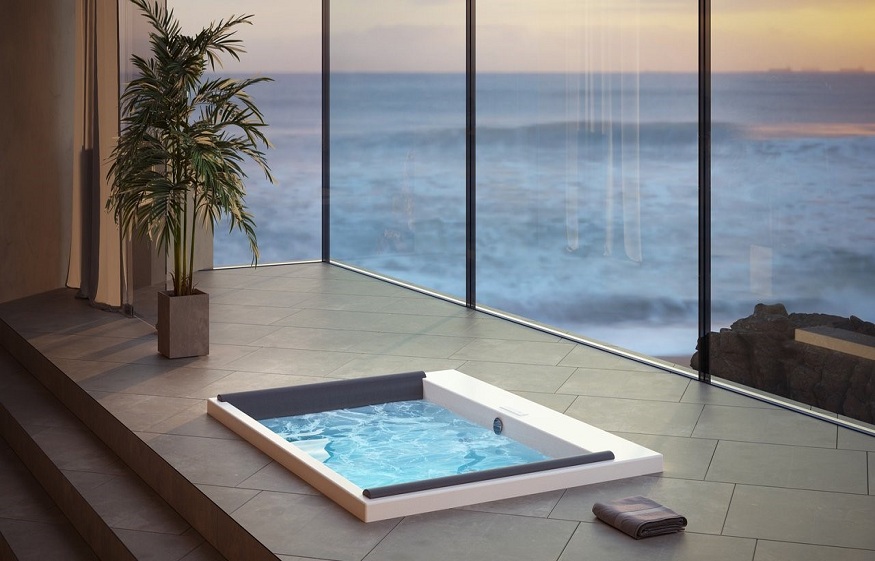
There are days that you’re so overwhelmed by responsibilities that you can’t bring yourself to rest, even when you try to rest. It’s like you have to force your mind to calm down. You think a nice bath will get the job done. But just a regular bath is often not the solution.
A heat-and-water session at home gives you a clean break. You step in tense, and step out visibly relaxed. Not because life changed in 20 minutes, but because your body got the signal to slow down.
That’s the simple promise behind a sauna bathtub: a warm soak paired with sauna-style heat cues that help your system shift from “go” to “rest.” Used well, it can feel like a small luxury that improves your evenings.
What is a Sauna Bathtub?
Think of it as a wellness-focused bathing setup designed to combine deep warmth with comfort. Some models emphasize heat around the body, while others focus on a longer, deeper soak. The goal is the same: create spa-like recovery without leaving home.
If you already know the comfort of a long bath, this is the upgraded version, more intentional, more consistent, and easier to turn into a weekly routine.
Why Choose a Sauna Bathtub?
Here’s why it’s such a popular upgrade:
Spa-Like Relaxation
Most of us don’t need “more things.” We need a better off-switch. Warm water supports that by easing pressure on joints and helping tight areas relax. Add a controlled heat experience, and you get the kind of calm people chase at spas, without booking, driving, or waiting.
Stress Relief That You Can Feel
When you’re stressed, you become restless, and heat calms you, helping you take easy breaths. Warm water makes massages your muscles. That combination is why many people feel a mood shift within minutes of stepping in.
Read More: Child Safety Locks in Stuttgart: Bühler Schlüssel’s
Sauna bathing, if practiced safely, can result in relaxation and broader health benefits, including cardiovascular outcomes.
Detox Support
Let’s be honest, your liver and kidneys handle detoxification all day. A heat session won’t replace that. What it can do is support the feeling of “reset” because you sweat, circulation increases, and you usually hydrate after. Some research notes that sweat can carry small amounts of certain substances, but the bigger win is recovery.
‘Right Kind of Heat’ Being the Difference
Not all heat feels the same. Dry warmth can feel sharper and hotter, while humid warmth can feel gentler but more intense for breathing. Health sources often describe saunas as hot, dry heat, and steam rooms as lower temperature but high humidity.
This is where your preference matters. If you dislike sticky heat, you’ll likely enjoy a drier session. If your nose and throat feel better with moisture, humid heat may suit you.
Muscle Relief Zones that Matter Most
Here’s where heat helps your muscles relax and why it’s good:
- Neck and shoulders for laptop posture.
- Lower back, for sitting for extended periods.
- Hips and calves, for walking and workouts
- Feet, helping you relax deeply when warmed
This is also why people look at jet placement when they choose a whirlpool bathtub. The right jets, in the right spots, can feel like a focused massage rather than random bubbles.
Making the Most of Limited Space
Wellness shouldn’t require a huge bathroom. If you’re working with tighter layouts, plan around three things: entry (safe step-in), comfort (enough length to recline), and clearance (space to move around when the floor is wet).
Some homeowners start with a hot tub bathtub for deeper soaking comfort.
A corner whirlpool tub is popular for this reason; it uses the room’s edges and keeps the centre area open, while still giving you a deep, lounge-friendly soak.
Dry-Heat and Humid-Heat days
Some evenings you want “quiet heat.” Other days, you want a sweat-and-rinse routine.
Dry-leaning sessions are great when you want to feel light and unbothered, less steam in the air, more warmth on the skin. Humid-leaning sessions can be soothing when you want a gentler temperature.
Read More: Chilly Outside, Toasty Inside: Cabin Living UK Style
If your schedule is packed, pairing your bath routine with a steam shower can make sense: quick heat, quick rinse, and you’re out the door (or into bed) without committing to a long soak.
Three-Step Reset Plan
Warm up (5–8 minutes)
Start with comfortable heat and water, not max temperature. Let your breathing slow before you try to “get a sweat.”
Ease the Tension (8–12 minutes)
Shift positions to target tight zones. If you’re using jets, aim them at the areas that feel locked (often calves and lower back).
Cool down (2–5 minutes)
Step out, sit for a moment, then rinse or take a quick lukewarm shower. The cool-down helps your body settle.
Quick Safety Checks
Heat should relax you, not drain you.
- Keep sessions short at first (around 10 minutes), then build up gradually.
- Hydrate before and after.
- Skip alcohol (dehydration risk).
- Step out if you feel dizzy, nauseous, or overly flushed.
People who are pregnant, have heart or blood-pressure concerns, or take certain medications should check with a clinician before regular heat sessions.
Conclusion
The best wellness upgrades aren’t complicated; they’re repeatable. A heated soak experience at home can turn evenings into recovery time instead of more screen time. When warmth, water, and a sensible routine come together, your body learns a new pattern: slow down, breathe deeper, sleep better.
This can be a weekly routine, not a one-time splurge, and the benefits start to feel more like real-life support.